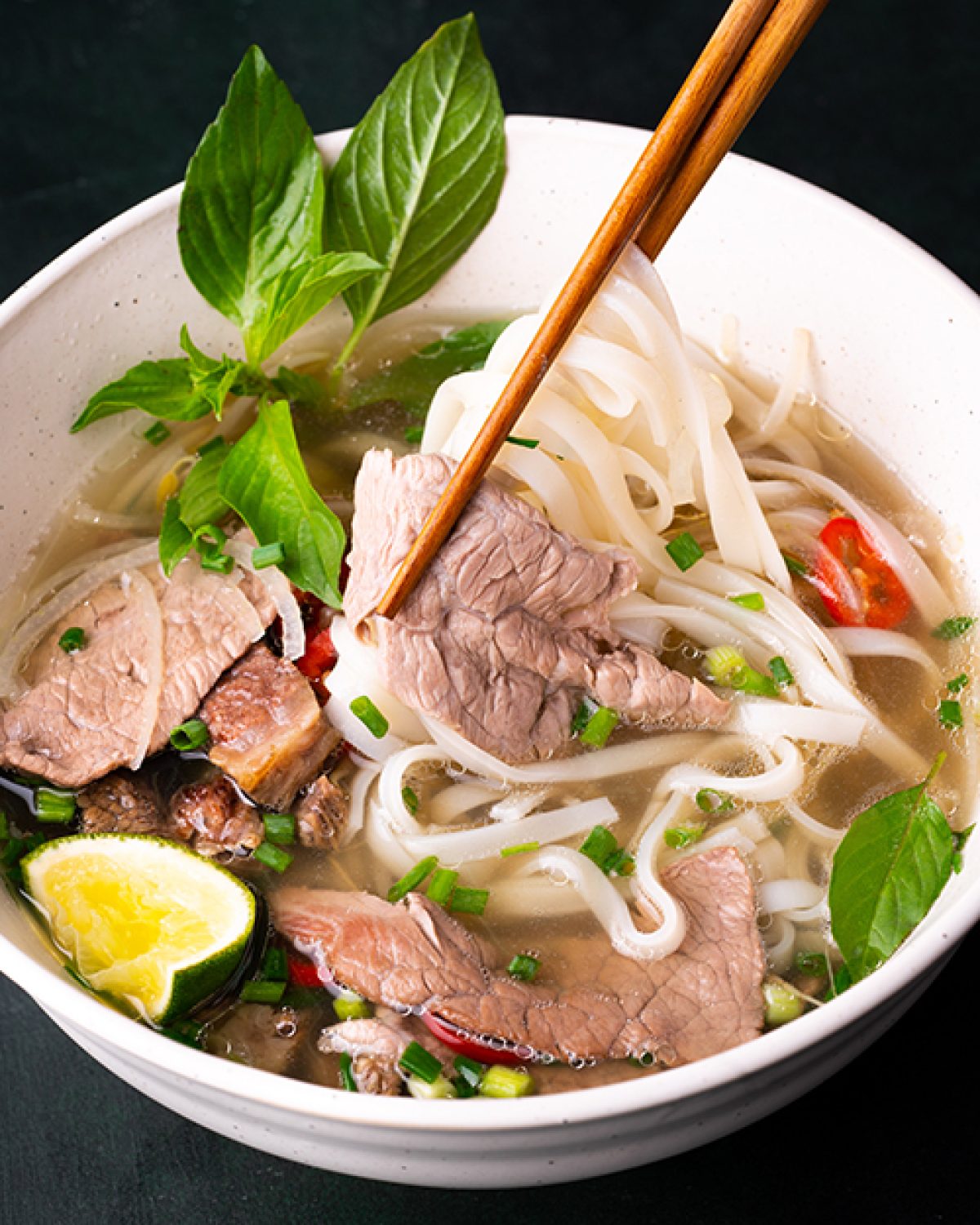
Phở is a traditional Vietnamese noodle soup that is widely enjoyed for its aromatic broth, delicate rice noodles, and combination of meat, herbs, and spices. Typically prepared with beef (phở bò) or chicken (phở gà), phở includes ingredients such as rice noodles, onions, ginger, star anise, cinnamon, cloves, and fresh herbs like basil, cilantro, and mint. Beyond its comforting flavor and cultural significance, phở offers substantial nutritional value.
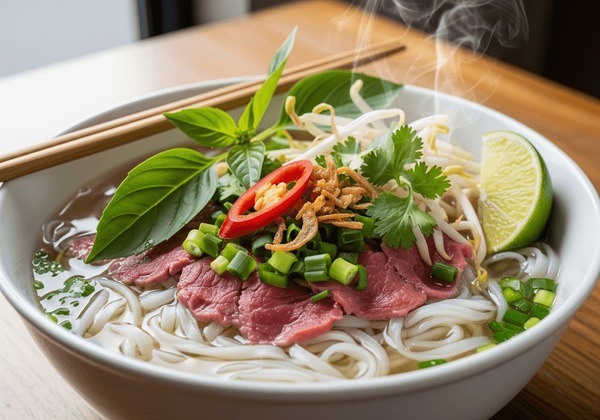
One of the main nutritional strengths of phở is its protein content, which comes from beef or chicken. Protein is essential for muscle growth and repair, immune function, and enzyme production. A typical bowl of phở provides approximately 20–30 grams of protein, depending on the type and amount of meat used.
Beef phở supplies iron and vitamin B12, which are important for red blood cell formation and oxygen transport, while chicken phở offers lean protein with slightly lower fat content, making it a lighter option for those monitoring fat intake.
Phở contains rice noodles, which are an excellent source of carbohydrates. Carbohydrates provide energy for daily activities and support brain function. Rice noodles are naturally gluten-free, making phở suitable for individuals with gluten intolerance or celiac disease.
Because rice noodles are easy to digest, phở is often consumed during recovery from illness, as it provides energy without placing heavy strain on the digestive system.
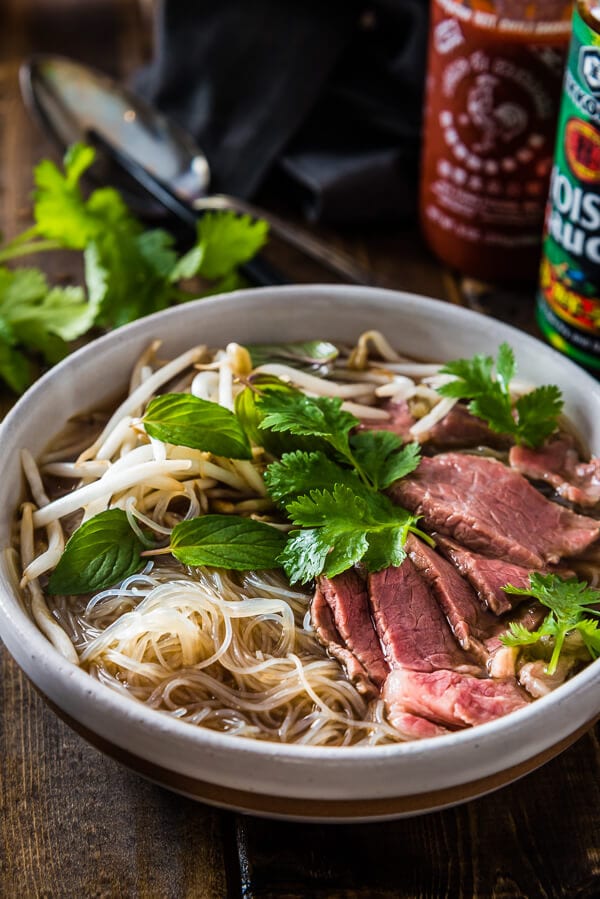
The broth is the heart of phở and contributes significantly to its nutritional value. Traditionally simmered for several hours using bones, ginger, onions, and aromatic spices, the broth contains:
Collagen and gelatin, which support joint health, skin elasticity, and gut health.
Minerals such as calcium, phosphorus, and magnesium released from the bones.
Electrolytes, which help maintain hydration and support muscle and nerve function.
The warm broth also promotes hydration and comfort, making phở both nourishing and soothing.
Phở is enriched with fresh herbs and spices that provide essential vitamins and antioxidants:
Ginger has anti-inflammatory properties and supports digestion.
Star anise, cinnamon, and cloves contain antioxidants that help protect the body from oxidative stress.
Fresh herbs like basil, cilantro, and mint provide vitamins A, C, and K, supporting immune health, vision, and blood clotting.
These ingredients enhance both the flavor and health benefits of the dish.
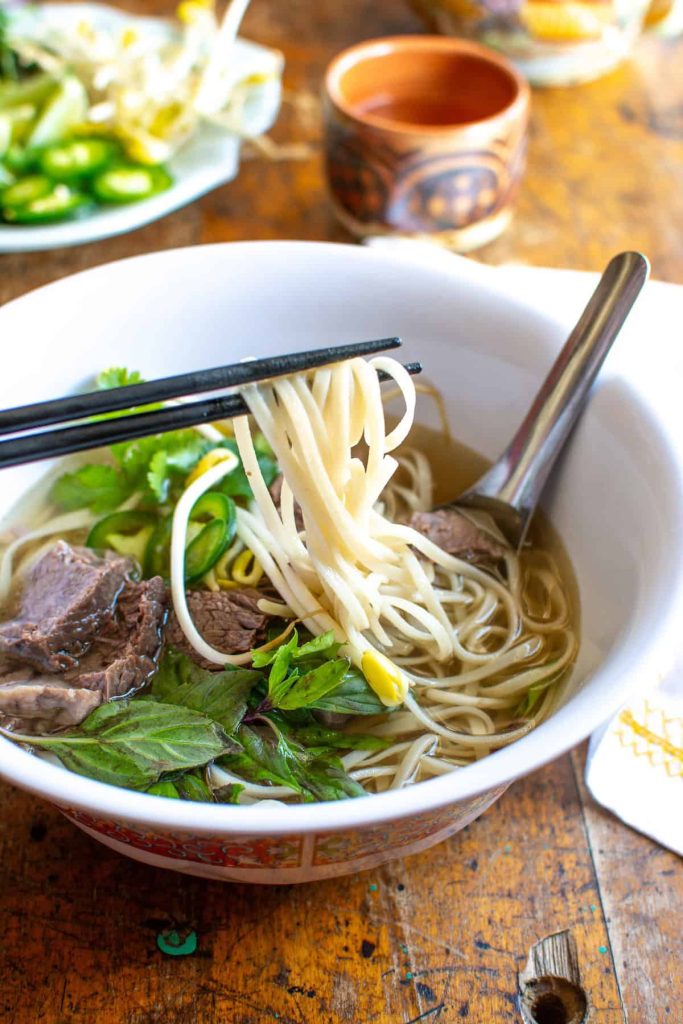
Phở is generally moderate in fat, especially when lean cuts of meat are used. While some fat is necessary for flavor and nutrient absorption, excess fat can be reduced by skimming the broth or choosing lean protein options. This makes phở a balanced meal suitable for various dietary needs.
One nutritional consideration of phở is its sodium content, which can be relatively high due to fish sauce and long-simmered broth. While sodium is essential for maintaining fluid balance and nerve function, excessive intake may contribute to high blood pressure. Moderating portion sizes and limiting added condiments can help manage sodium levels.
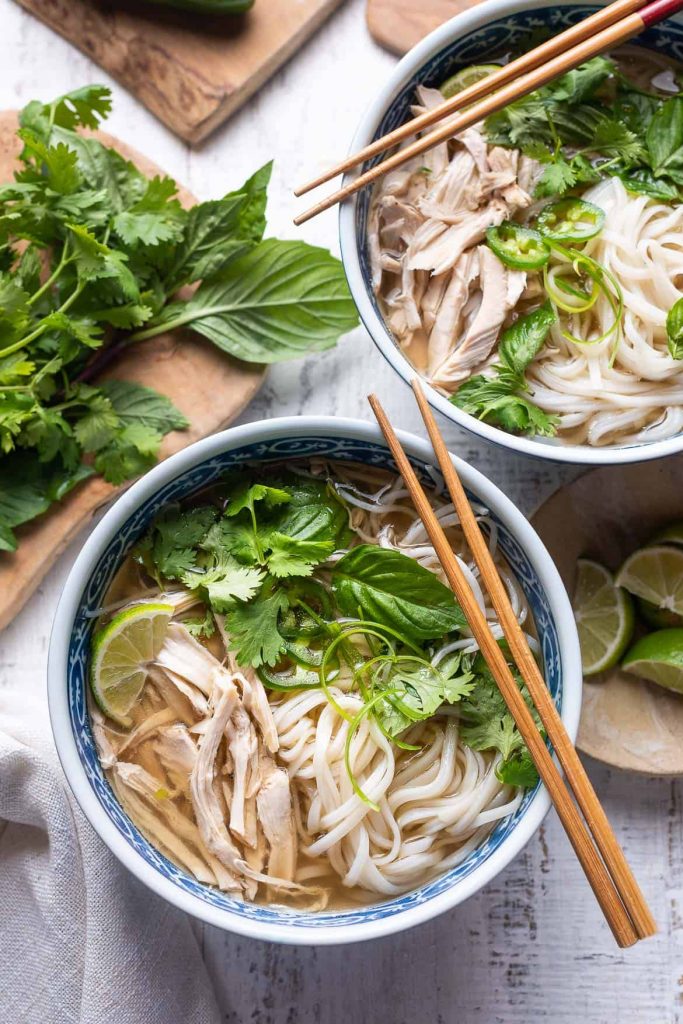
Phở is a well-balanced and nourishing dish that provides high-quality protein, energy-giving carbohydrates, and a wide range of vitamins and minerals. Its flavorful broth supports hydration and digestion, while fresh herbs and spices contribute antioxidants and immune-boosting nutrients. When prepared with lean meats and plenty of herbs, phở can be a wholesome and comforting meal that supports overall health. As both a cultural staple and a nutritious food, phở exemplifies how traditional cuisine can nourish the body while delighting the senses.