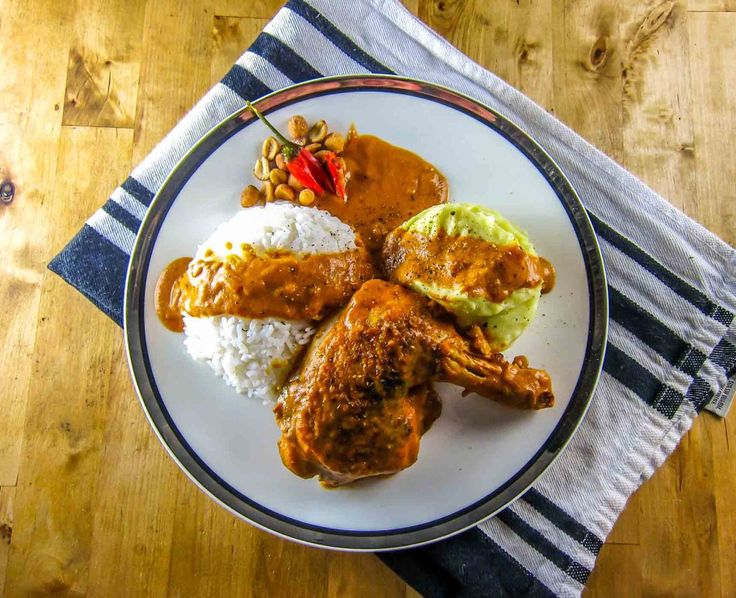
Muambe chicken, also known as Poulet à la Moambe, is a traditional and widely loved dish in Central Africa, particularly in Angola and the Democratic Republic of Congo. It is made by cooking chicken in a rich sauce prepared from palm butter (moambe), tomatoes, onions, peppers, and various spices. Muambe chicken is not only culturally significant but also nutritionally valuable, providing a balanced combination of protein, fats, vitamins, and minerals. This write up examines the nutritional value of muambe chicken and its contribution to a healthy diet.
The main ingredient in muambe chicken is chicken, which is an excellent source of high-quality protein. Protein is essential for muscle growth and repair, tissue maintenance, enzyme production, and immune system function. A typical serving of muambe chicken provides approximately 20–30 grams of protein, depending on portion size and the cut of chicken used. Chicken protein contains all essential amino acids, making it a complete protein. This is particularly important in supporting growth and development in children and maintaining muscle mass in adults.
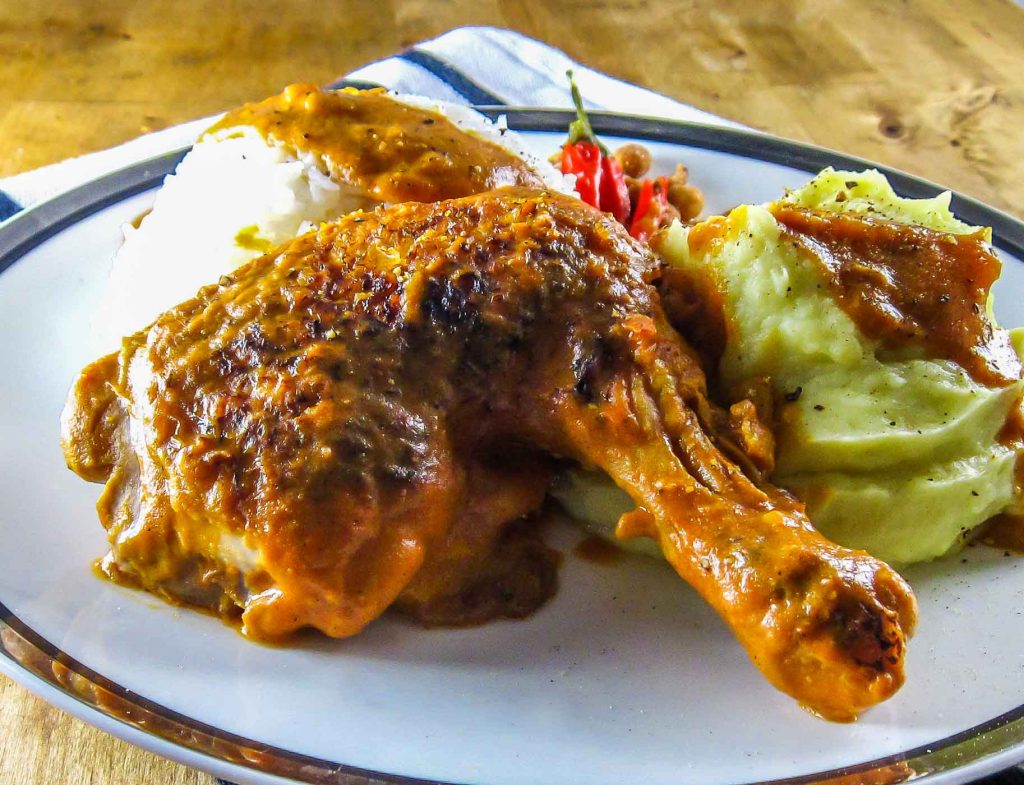
A defining feature of muambe chicken is the use of palm butter, which gives the dish its distinctive flavor and color. Palm butter is rich in fats, which provide concentrated energy and help the body absorb fat-soluble vitamins such as vitamins A, D, E, and K.Palm oil is especially notable for its high beta-carotene content, a precursor of vitamin A. Vitamin A supports good vision, immune function, and healthy skin. While palm butter contains saturated fats, it also includes antioxidants such as tocotrienols (a form of vitamin E), which help protect cells from oxidative damage. Moderation is key to enjoying these benefits while avoiding excessive fat intake.
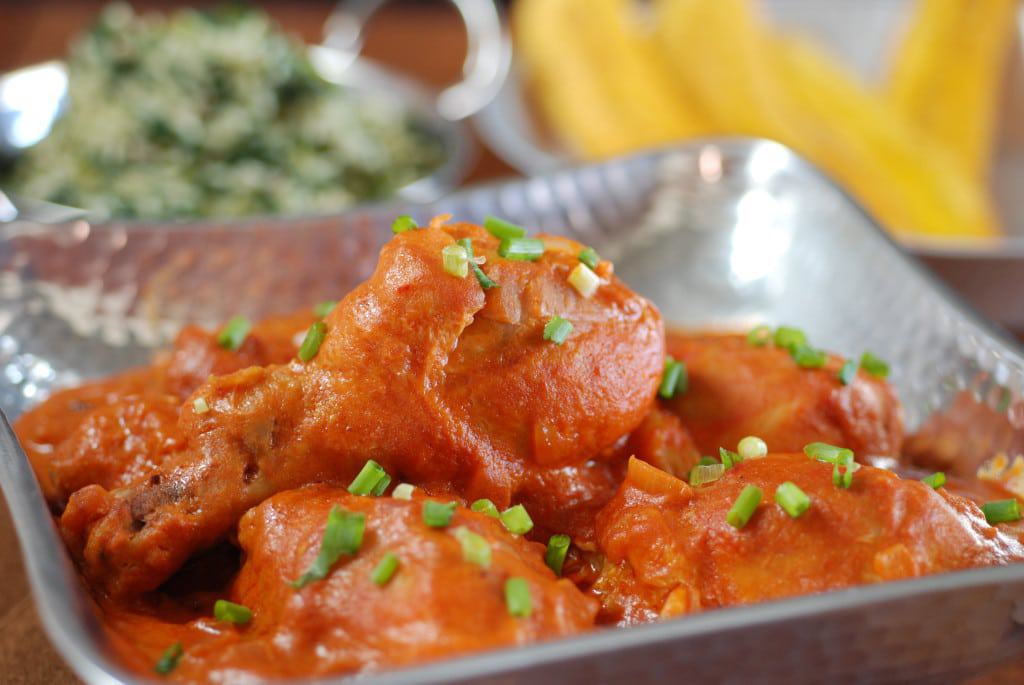
Muambe chicken includes vegetables such as tomatoes, onions, and peppers, which enhance both flavor and nutritional value:Vitamin C from tomatoes and peppers supports immune function and improves iron absorption.Vitamin A from palm butter and peppers promotes eye health and strengthens immunity.B Vitamins from chicken help with energy metabolism and nervous system function.These vitamins contribute to overall health and help reduce the risk of nutrient deficiencies.
Muambe chicken provides several important minerals needed for proper body function:Iron: Found in chicken and enhanced by vitamin C from vegetables, iron supports oxygen transport in the blood and helps prevent anemia.Zinc: Supports immune function, wound healing, and growth.Phosphorus: Essential for strong bones and teeth and energy production.Potassium: Present in vegetables, potassium helps regulate blood pressure and muscle function.Together, these minerals make muambe chicken a nourishing and strengthening meal.
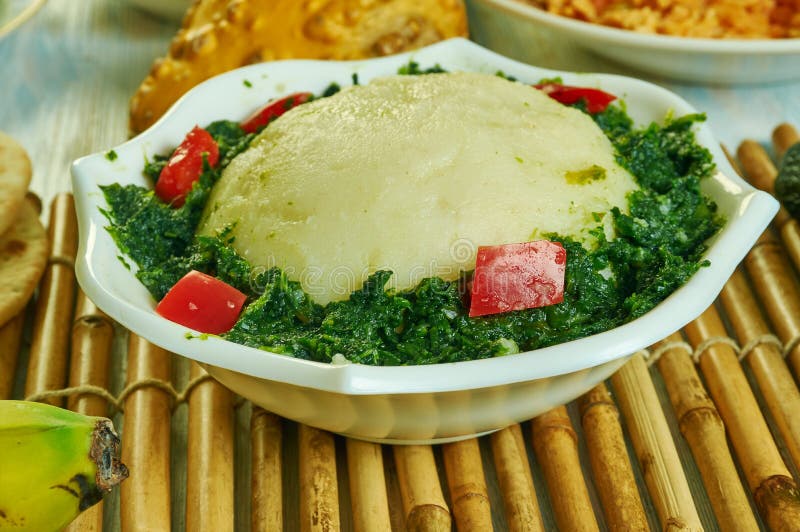
It is an Energy-Giving and Satisfying Meal because muambe chicken contains protein, fats, and vegetables, it is a filling and energy-rich dish. The fats from palm butter slow digestion, helping to maintain satiety, while protein supports muscle maintenance and recovery. When served with traditional accompaniments such as rice, plantains, cassava, or fufu, muambe chicken forms a complete and balanced meal.
Although muambe chicken is nutritious, it can be high in calories and saturated fat due to palm butter. Excessive consumption may contribute to weight gain or cardiovascular concerns if eaten too frequently. Additionally, salt used in seasoning can increase sodium levels. Using moderate amounts of palm butter and salt can help maintain a healthier balance without compromising taste.

Muambe chicken is a nutrient-rich traditional dish that provides high-quality protein, essential fats, important vitamins, and valuable minerals. Its combination of chicken, palm butter, and vegetables makes it a balanced and satisfying meal that supports energy needs, immune health, and overall well-being. When enjoyed in moderation and paired with healthy side dishes, muambe chicken serves as both a cultural delicacy and a wholesome source of nourishment, reflecting the richness of Central African cuisine and nutrition.