Lūʻau pig, also known as kalua pig, is a traditional Hawaiian dish commonly prepared for celebrations and cultural gatherings known as lūʻau. The pig is traditionally slow-cooked in an underground oven called an imu, where it is wrapped in banana leaves and cooked for many hours until tender and flavorful. This cooking method preserves the natural taste of the meat without heavy seasoning or added fats. Beyond its cultural importance, lūʻau pig offers several nutritional benefits, particularly as a source of protein, essential vitamins, and minerals. This essay explores the nutritional value of lūʻau pig and its role in a balanced diet.
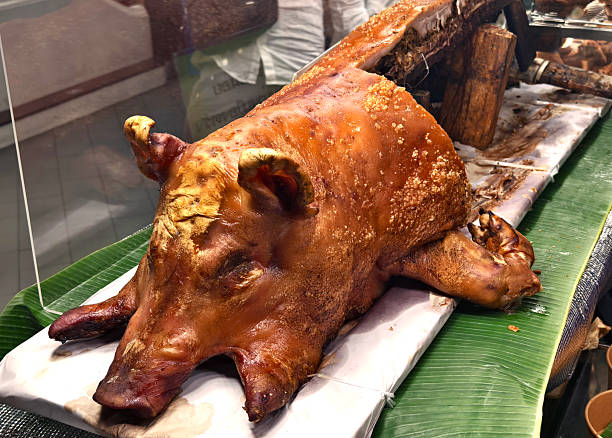
One of the primary nutritional benefits of lūʻau pig is its high protein content. Pork is a complete protein, meaning it contains all the essential amino acids required by the body. Protein is vital for muscle growth and repair, tissue maintenance, enzyme production, and immune system support. A typical serving of lūʻau pig provides approximately 20–25 grams of protein, making it an excellent option for meeting daily protein needs.
Lūʻau pig contains a moderate to high amount of fat, depending on the cut of pork used. Fat is an important macronutrient that provides energy, supports hormone production, and aids in the absorption of fat-soluble vitamins such as vitamins A, D, E, and K.Traditional preparation methods, such as slow roasting without added oils, help keep unhealthy fats relatively low compared to fried pork dishes. However, because pork can contain saturated fat, portion control is important, especially for individuals managing cholesterol levels or heart health.
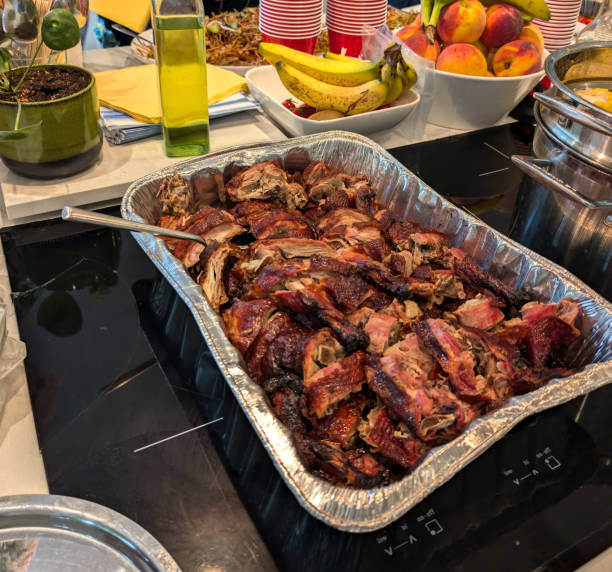
Lūʻau pig is a good source of several B vitamins, which are essential for energy metabolism and nervous system function:Vitamin B1 (Thiamine): Pork is particularly rich in thiamine, which helps convert food into energy and supports nerve function.Vitamin B6: Supports brain development and immune function.Vitamin B12: Essential for red blood cell formation and neurological health.Niacin (Vitamin B3): Aids digestion and supports skin and nerve health.These vitamins help reduce fatigue and support overall metabolic health.
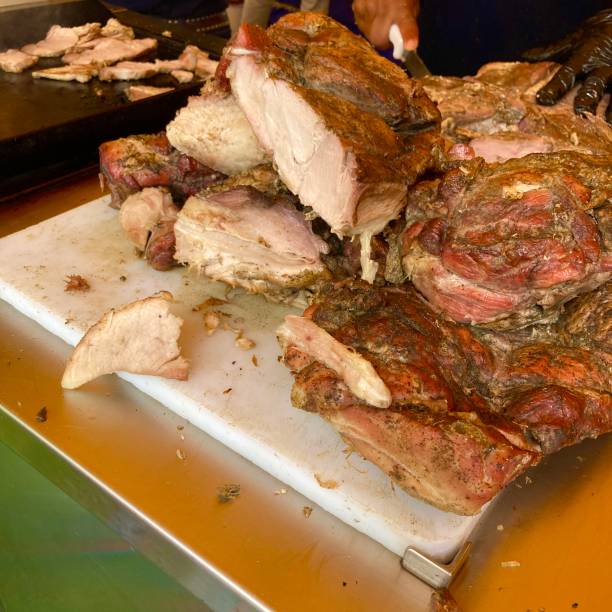
Lūʻau pig also provides several essential minerals that contribute to bodily functions:
Iron: Helps transport oxygen in the blood and prevents anemia.
Zinc: Supports immune function, wound healing, and cell growth.
Phosphorus: Essential for strong bones and teeth and energy production.
Selenium: Acts as an antioxidant and supports thyroid function.
These minerals make lūʻau pig nutritionally valuable, especially when combined with plant-based foods.
Lūʻau pig is naturally low in carbohydrates, making it suitable for low-carb and ketogenic diets. Since it contains little to no sugar or starch, it does not cause rapid spikes in blood sugar levels. This makes it a good protein option for individuals managing diabetes or blood sugar control when eaten in moderation.
In Hawaiian cuisine, lūʻau pig is often served with traditional side dishes such as poi, taro leaves, sweet potatoes, or fresh vegetables. These foods complement the protein and fat content of the pig by providing carbohydrates, fiber, vitamins, and antioxidants. This balance helps create a complete and nourishing meal.
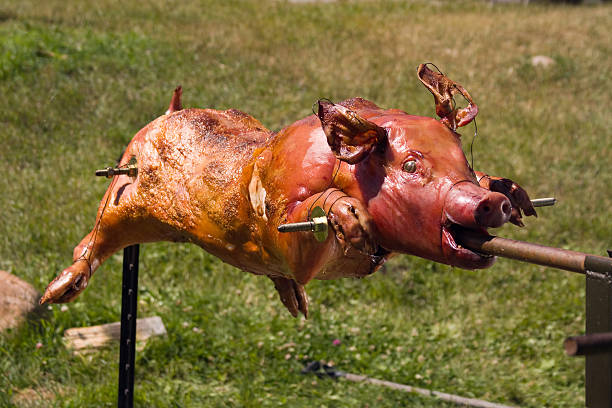
Beyond its nutritional value, lūʻau pig holds deep cultural significance in Hawaiian society. The traditional cooking method emphasizes natural flavors, minimal processing, and communal sharing, all of which align with healthy eating principles. The slow-cooking process also helps retain nutrients while producing tender, easily digestible meat.
Lūʻau pig is a nutrient-rich traditional dish that provides high-quality protein, essential fats, important vitamins, and key minerals. While it contains saturated fat and should be consumed in moderation, its traditional preparation method makes it healthier than many modern pork dishes. When paired with vegetables and traditional Hawaiian starches, lūʻau pig contributes to a balanced and nourishing diet. As both a cultural treasure and a wholesome food, lūʻau pig remains an important part of Hawaiian culinary heritage and nutrition.